Understanding Smart Home Gadgets
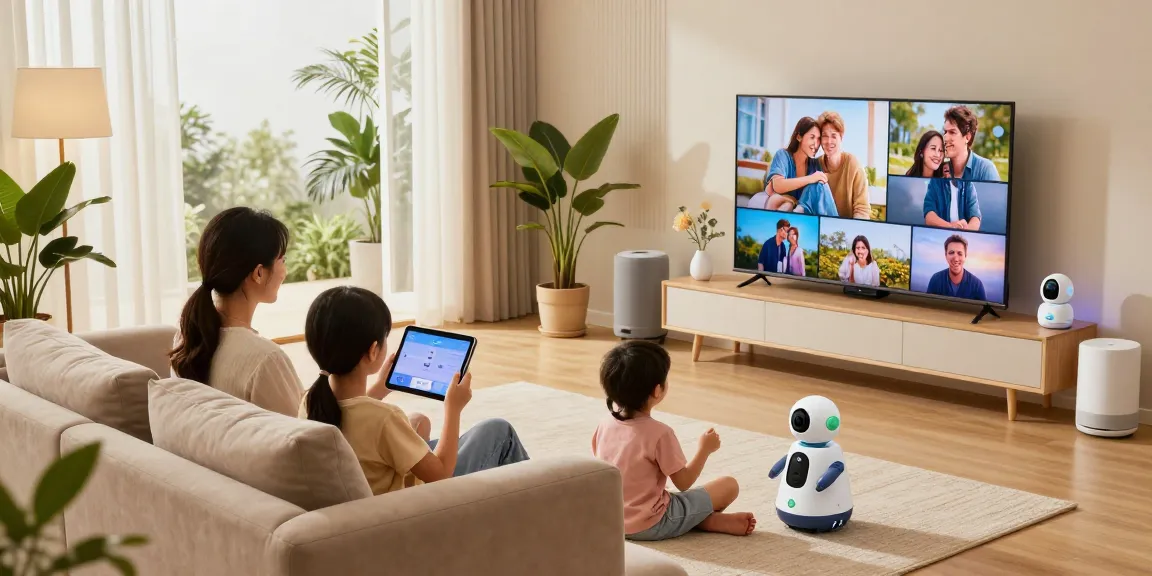
In today’s fast-paced world, the concept of smart homes has transformed from a futuristic vision into a practical reality. Smart home gadgets enhance convenience, increase security, and optimize energy efficiency, making daily life more manageable. These connected devices not only streamline tasks but also provide users with greater control over their home environments. When exploring options, smart home gadgets stand out as an essential aspect of modern living, blending technology with comfort. This article will delve into the various facets of smart home gadgets, their benefits, and future trends for 2026.
What Are Smart Home Gadgets?
Smart home gadgets are electronic devices equipped with connectivity features that allow them to communicate with other devices over the internet. They can be controlled remotely through applications, voice commands, or automations, making them highly versatile. Common examples include smart thermostats, lighting systems, cameras, and home assistants that not only enhance convenience but also provide myriad functionalities according to user preferences.
Benefits of Integrating Smart Gadgets
Integrating smart gadgets into your home offers numerous advantages:
- Convenience: Control multiple devices from a single platform, enabling users to manage their home environment effortlessly.
- Energy Efficiency: Optimize energy usage through devices that can learn and adapt to user behaviors, potentially reducing utility costs.
- Security: Enhance home security with smart cameras and alarms that offer real-time alerts and remote monitoring capabilities.
- Increased Comfort: Set up personalized environments with automated lighting, temperature control, and entertainment options that suit your lifestyle.
Common Myths Debunked
Despite their growing popularity, several misconceptions about smart home gadgets persist:
- Myth 1: Smart home gadgets are too expensive.
While some high-end gadgets can be pricey, many affordable options exist. The long-term savings on energy costs often offset the initial investment.
- Myth 2: They are too complicated to install.
Most smart gadgets come with user-friendly apps and guides, making installation straightforward for most users.
- Myth 3: Smart homes are not secure.
While security concerns exist, following best practices for securing devices can minimize risks and protect your data.
Top Smart Home Gadgets for Every Lifestyle
Smart Lighting Solutions
Lighting is one of the simplest yet impactful areas to enhance with smart technology. Smart bulbs and lighting systems enable users to adjust hues and brightness through a smartphone app or voice commands. Popular options include Philips Hue, which offers a range of colors and automation features, and LIFX, known for its impressive brightness and smart integration.
Home Security Innovations
Security gadgets have seen significant advancements, making homes safer than ever. Smart security cameras, like the Ring Video Doorbell or Arlo Pro, provide real-time monitoring and alerts. Smart locks, such as the August Smart Lock, allow keyless entry and can be controlled remotely, ensuring peace of mind whether at home or away.
Smart Appliances That Save Time
Modern kitchens benefit tremendously from smart appliances that streamline cooking and cleaning. Devices like the Instant Pot Smart WiFi and smart dishwashers can be controlled remotely, enabling users to monitor cooking progress or initiate cycles from anywhere in the home.
Choosing the Right Smart Home Ecosystem
Understanding Compatibility Between Devices
Selecting a compatible ecosystem is crucial for maximizing smart home potential. Popular ecosystems include Google Home, Amazon Alexa, and Apple HomeKit, each offering unique features that seamlessly integrate various devices. For example, devices that support Zigbee or Z-Wave protocols tend to work well within multiple ecosystems, allowing users to mix and match gadgets more freely.
Popular Ecosystems Explained
The choice of ecosystem can impact the functionality and compatibility of smart home gadgets:
- Google Home: Integrates comfortably with various devices and offers advanced voice control through Google Assistant.
- Amazon Alexa: Boasts an extensive range of compatible devices and is particularly known for its smart assistant capabilities.
- Apple HomeKit: Focuses on security and privacy while providing a user-friendly interface for managing devices within the Apple ecosystem.
Considerations for Future Upgrades
When planning a smart home setup, consider future upgrades. Look for devices that support firmware updates and are compatible with emerging technologies. This foresight will ensure that your gadgets remain functional and adaptable as new technologies develop.
Installing and Setting Up Your Smart Home Gadgets
Step-by-Step Installation Guide
Setting up your smart home gadgets is typically straightforward. Here’s a general guide:
- Read the user manual for specific installation instructions for each device.
- Download the associated app on your smartphone.
- Connect the device to your home Wi-Fi network.
- Add the device to your chosen smart home ecosystem.
- Configure settings according to personal preferences and set up automations.
Common Setup Issues and Solutions
Despite their user-friendly nature, issues may arise during installation:
- Connection Problems: Ensure the device is within range of your Wi-Fi router and that the network is stable.
- Compatibility Issues: Verify that all devices are compatible with your chosen ecosystem to avoid integration issues.
- App Malfunctions: Update the app and restart devices if they fail to respond; this often resolves connectivity issues.
Optimizing Device Settings for Efficiency
To maximize the benefits of your smart gadgets, regularly review and tweak device settings:
- Automated Scheduling: Set schedules for devices to operate during specific times to optimize energy usage.
- Notifications: Customize alert settings to ensure you receive important updates without being overwhelmed.
The Future of Smart Home Gadgets in 2026
Emerging Trends to Watch
As technology continues to advance, several trends are emerging in the smart home market:
- AI Integration: Enhanced AI capabilities will drive smarter automations, learning user habits and preferences for better energy management and convenience.
- Health Monitoring: Smart gadgets will increasingly focus on health, incorporating features that monitor air quality and provide wellness insights.
- More Sustainable Options: The push for eco-friendly technologies will lead to the development of energy-efficient gadgets that utilize renewable energy sources.
Impact of AI on Smart Gadgets
Artificial intelligence is set to revolutionize smart home technologies, enabling devices to develop more efficient algorithms for automating daily tasks. For instance, smart thermostats will not only learn user preferences but will also adapt to seasonal changes and predict energy needs, resulting in decreased consumption.
Predictions for Smart Living
By 2026, smart living environments will facilitate seamless interactions between devices, creating an ecosystem where technology anticipates user needs. Imagine a home that adjusts lighting and temperature based on your mood and automatically secures doors when you leave. Such innovations are just on the horizon, empowering users with comfort, security, and energy efficiency.
What are the must-have smart home gadgets?
The essential smart home gadgets vary based on individual needs but generally include:
- Smart speakers
- Smart thermostats
- Smart lighting
- Smart security cameras
- Smart kitchen appliances
How do I secure my smart home devices?
To secure your smart home devices:
- Change default passwords on all devices.
- Keep firmware updated to protect against vulnerabilities.
- Utilize a separate Wi-Fi network for smart devices.
Can smart home gadgets work without the internet?
Some smart home gadgets can function on local networks, allowing limited control offline. However, many features, especially remote access and updates, require an internet connection.
How to troubleshoot common smart home issues?
Common troubleshooting steps include:
- Restarting devices and routers.
- Checking app permissions and settings.
- Referencing user manuals for specific device issues.
Are smart home gadgets worth the investment?
Yes, smart home gadgets often provide significant returns in convenience, energy savings, and security enhancements, making them a wise investment for many homeowners.